INSS Hosts First Exclusive Event on Gender in Its History!
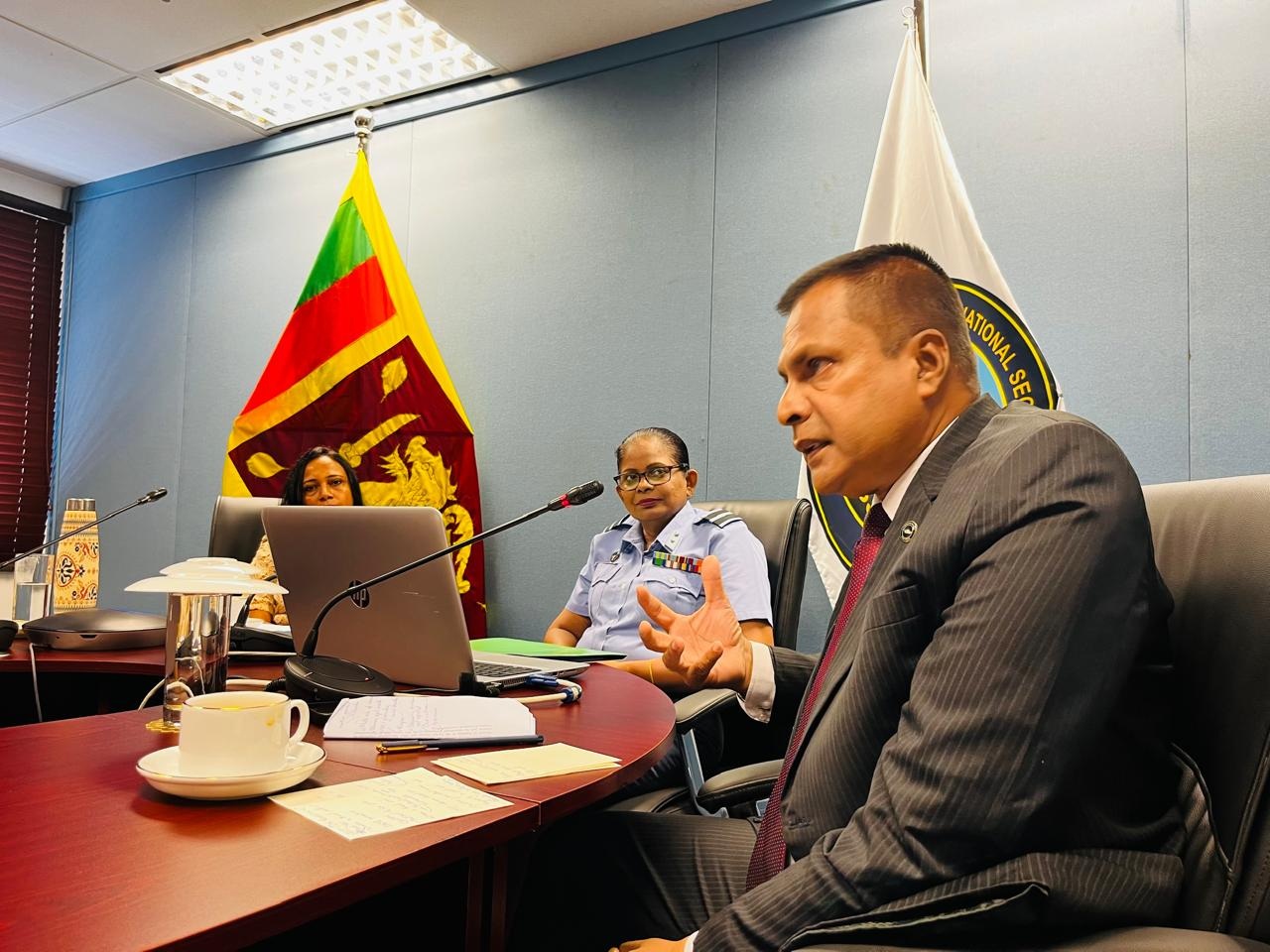
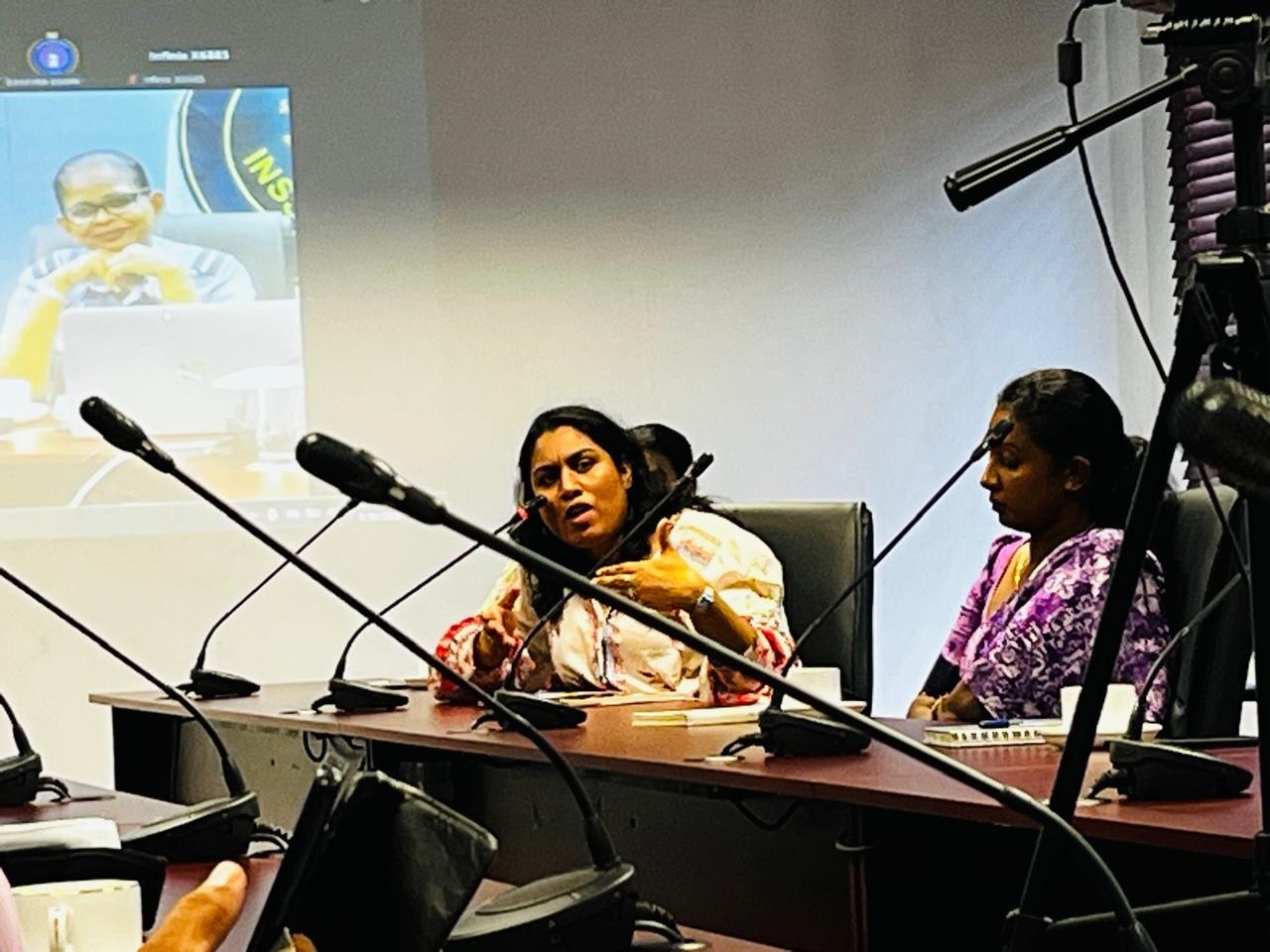
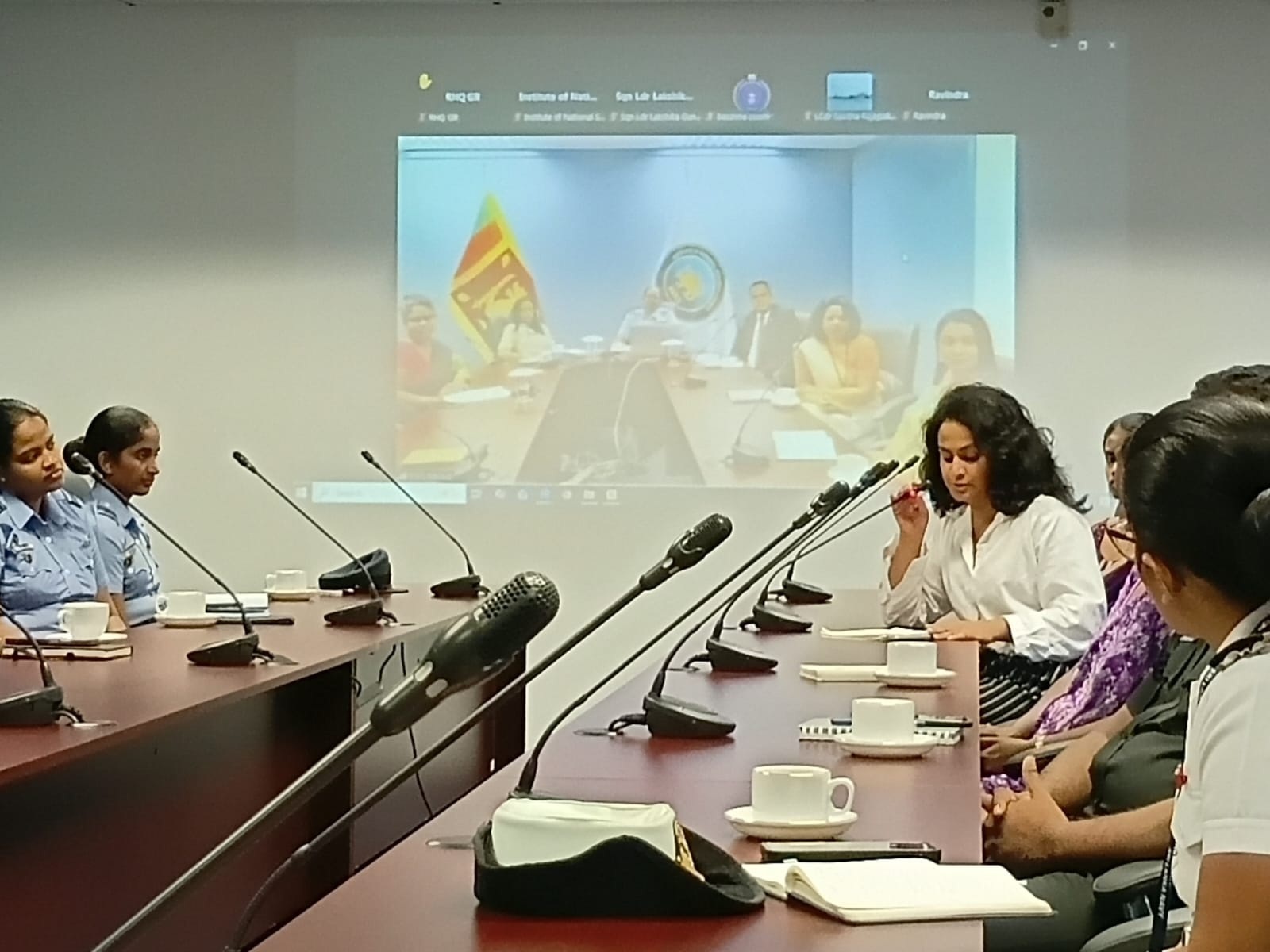
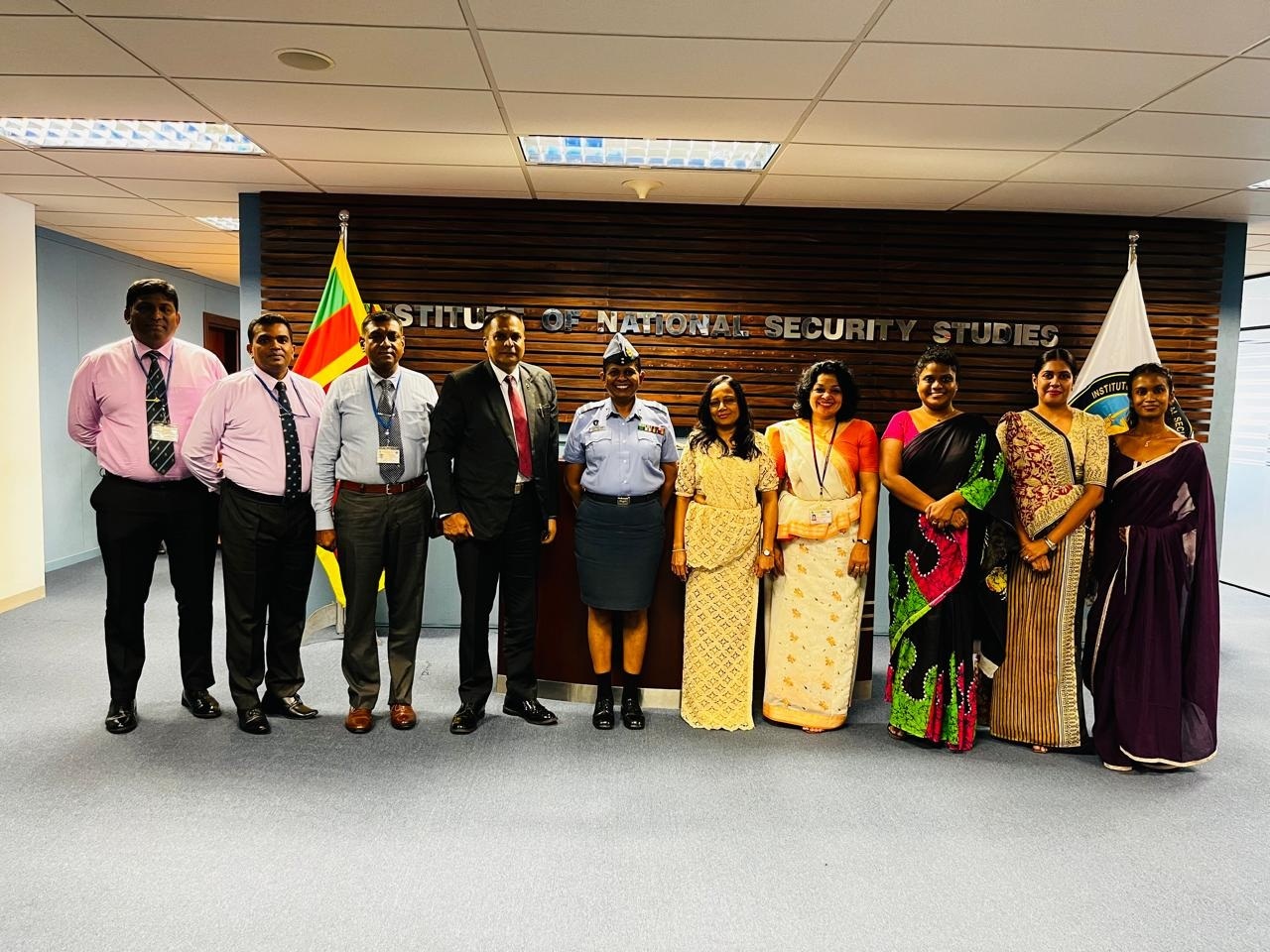
The Institute of National Security Studies (INSS) convened its first exclusive event on gender in its history today (30th September 2026), with a Threat Lens session titled "Gender, Peace, and Security: Integrating Women into Military Operations and International Legal Frameworks." Held onsite at the INSS Conference Hall and via Zoom, it drew participants from both formats.
The session featured Dr. Hasini Rathnamalala, Dean, Faculty of Law, General Sir John Kotelawala Defence University, and Air Commodore Sureka Dias USP, Legal Advisor, Ministry of Defence, with Ms. Charani Patabendige moderating. Major General Ranjan Wijedasa (Retd), Director General of INSS, welcomed participants and introduced the two guest speakers, noting the significance of bringing gender into the mainstream of national security discourse. Opening the discussion, Ms. Patabendige noted the ongoing global debate over whether the next United Nations Secretary-General will be a woman , a prospect many around the world are rooting for and suggested that sessions such as this represent a small step towards that possibility.
Dr. Rathnamalala presented on "UNSCR 1325 and the Women, Peace, and Security Agenda: Legal Foundations." She traced the agenda's evolution through pre-1325 resolutions, examined Resolution 1325 (2000) and its successor resolutions, discussed CEDAW's General Recommendation 30 and the complementarity between international humanitarian law and women's human rights law, and outlined state implementation through National Action Plans.
Air Commodore Dias presented on "Operational Effectiveness: Women as Force Multipliers in Peacekeeping." She argued that women's participation is not merely representation or equality but an operational capability that access leads to information, and information to early warning. She addressed protection of civilians, accountability of the contributing state, and human rights screening, and outlined implications for Sri Lanka in selection, training, deployment, and accountability.
A vibrant Q&A followed, with contributions from the tri forces, think tank community, academia, and civil society organisations. The session concluded with the recognition that gender, peace and security are, at their core, human rights concerns and that women in peacekeeping are not merely additional personnel but, when properly integrated, genuine force multipliers.